

Creating art as a spiritual practice means engaging in the creative process not just for the sake of aesthetics, skill, or expression, but as a sacred act of connection, inner reflection, and transformation. It’s about tuning into something deeper: your intuition, your soul, the divine, or the mystery of life itself. This approach transcends technical perfection and places presence, intention, and meaning at the heart of making.
Here are some key elements of what it means to create art as a spiritual practice:
Art as a Path to Presence
When creating art mindfully, whether painting, drawing, collaging, or building, a sense of timelessness can arise. This is the flow state of the creative process. The act becomes a way to quiet the mind and inhabit the present moment fully, anchoring the artist in the now.
Art as a Mirror for the Soul
The creative process reveals inner truths. It brings unconscious thoughts, emotions, or wounds to the surface in symbolic or abstract form. What you create may hold messages, patterns, or insights about your spiritual journey, emotional life, or current phase of transformation.
Intuition Over Ego
In spiritual art-making, intuition guides the hand more than analysis or planning. You might choose colors based on feeling rather than rules, or create symbols that arise spontaneously rather than intentionally. It’s a surrender of control, an act of listening.

Ritual and Sacred Space
Art becomes ritual when you create with intention – perhaps lighting a candle, setting a sacred space, or using prayer or mantra to open and close the session. These elements turn the act of making into a container for healing, invocation, or communion with spirit.
Process Over Product
The emphasis is on the journey, not the outcome. Unlike art created for critique or commercial use, spiritual art doesn’t need to be “good” by any standard. What matters is how it feels, what it evokes, and what inner doors it opens. The process becomes the teacher.
Symbolism and Sacred Archetypes
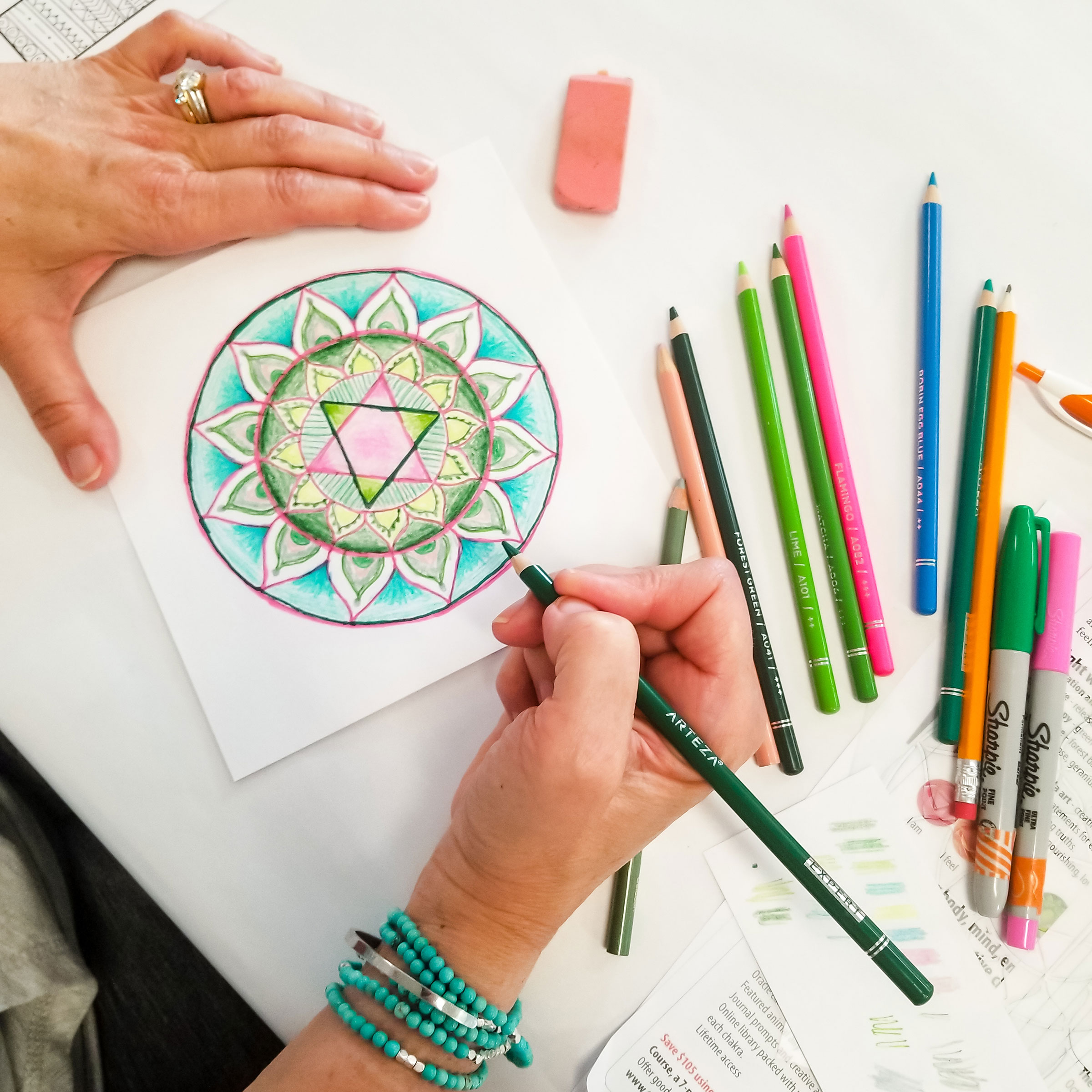
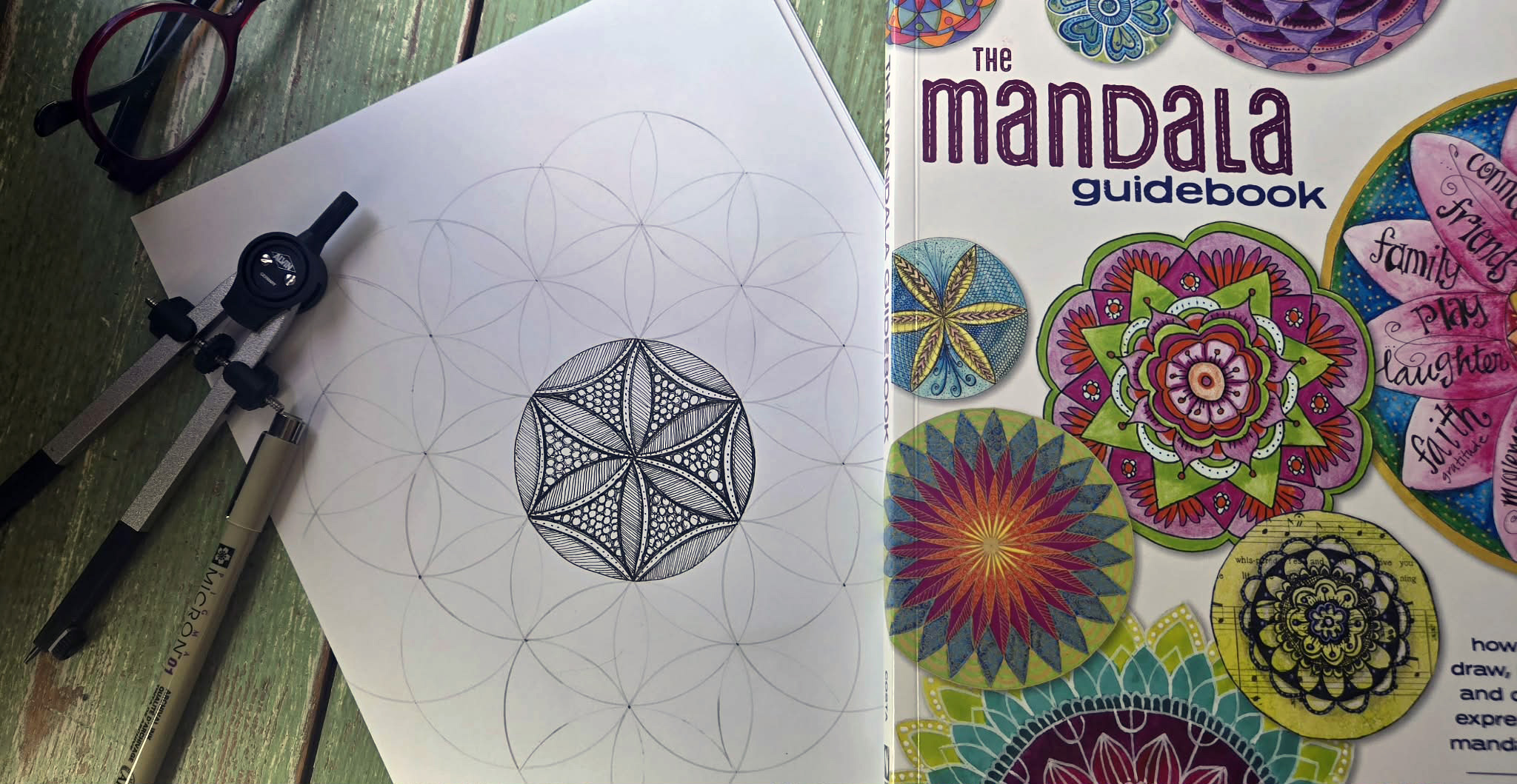
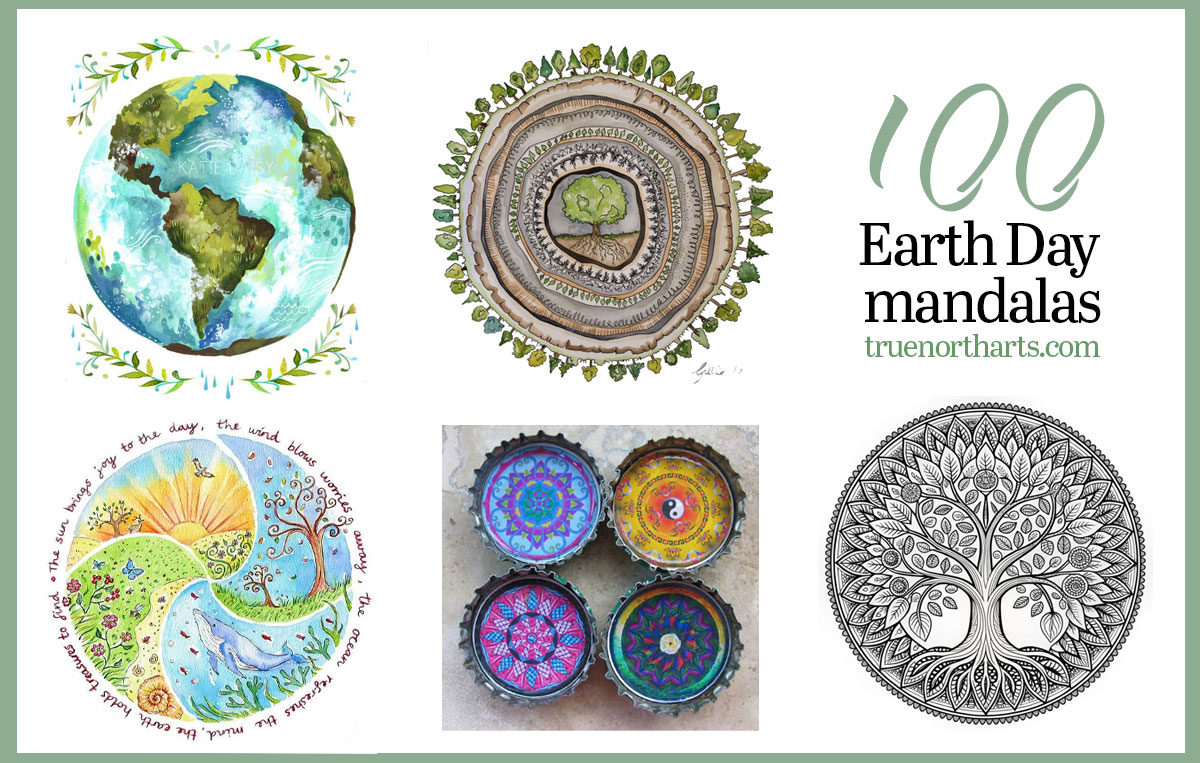
Spiritual artists often draw on symbolic language, mandalas, chakras, sacred geometry, animal totems, astrological glyphs, mythic figures, etc., to encode layers of meaning. These images act as bridges between the seen and unseen.

Transformation and Healing
Engaging art as a spiritual practice can be profoundly healing. It can soothe grief, unlock joy, restore a sense of wholeness, and help navigate transitions. Like dreamwork or ritual, it gives form to what is shifting in your inner world.
Bringing It All Together
Creating art as a spiritual practice is a journey of deep presence, personal discovery, and soulful expression. It’s less about producing a finished piece and more about entering into a sacred dialogue—with yourself, with the unseen, and with the rhythms of life. Whether you’re lighting a candle before you begin, following intuitive nudges, or exploring sacred symbols, you are opening a portal to transformation and healing.
If this approach to art resonates with you, there are several ways to deepen your practice:
- Explore the Journey of the Four Gates—a guided experience that weaves together creativity and the sacred seasons of life.
- Read Reflections by Moonlight posts—personal stories where I share how the creative path has helped me navigate life’s mysteries.
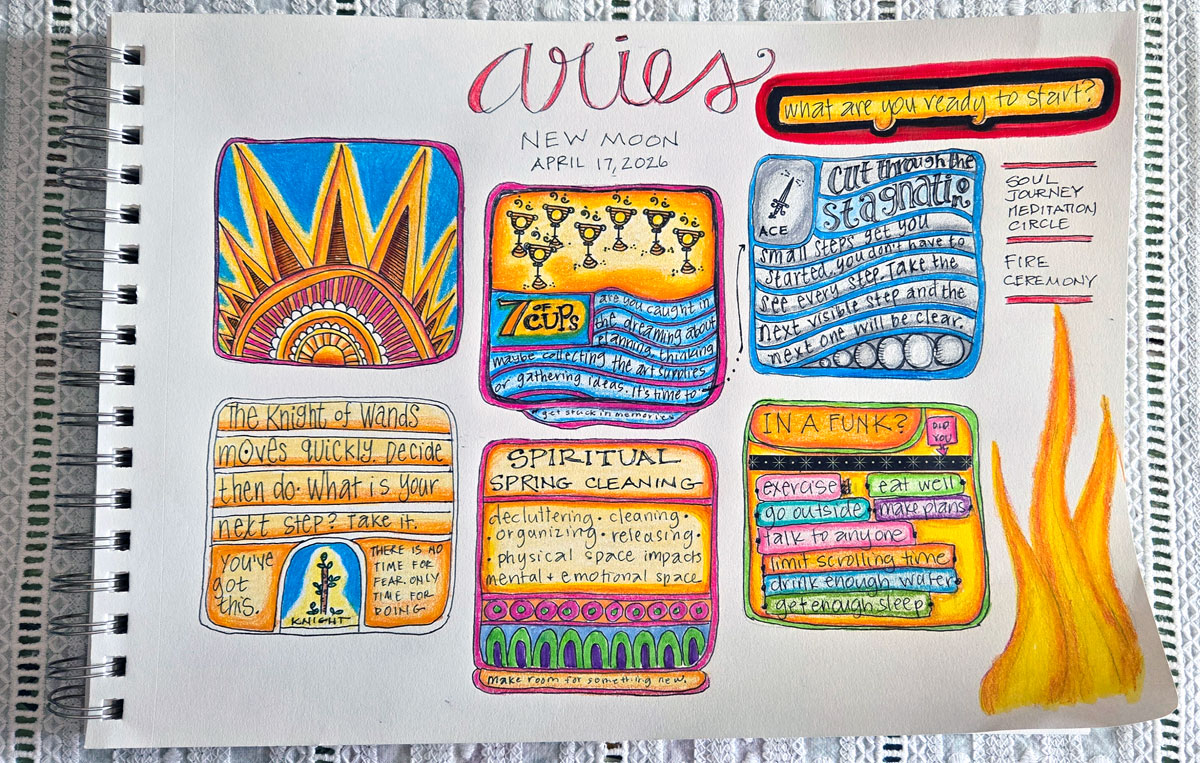
- Travel through the lunar cycles with Traveling by Moonlight—a series of mandala-inspired projects and insights aligned with the moon’s phases.
Wherever you are on your creative path, may your art-making be a sanctuary of presence, meaning, and soulful connection.



Leave a Reply